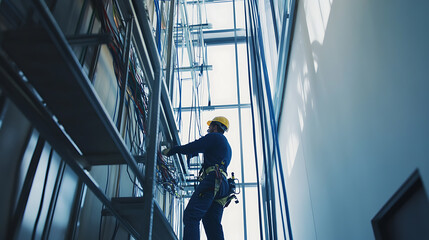
Commercial Electrical Installation is a broad category of services tailored to meet the unique power demands of businesses. From new construction to retrofits and upgrades, licensed commercial electricians implement everything from wiring and lighting to power distribution and specialized systems.
Think of your home’s breaker panel times five, and add in higher voltage capacity to handle heavy machinery and concentrated electrical loads. Proper load calculations and planning ensure that your system can accommodate expansion, and accurate riser drawings reduce investigation time for future additions.
Safety
Electrical safety is paramount when working with commercial wiring. This requires strict protocol and ongoing monitoring to ensure adherence to all applicable codes, rules and regulations. From establishing temporary power before the first shovel hits dirt to coordinating with structural teams to place electrical pathways inside concrete slabs before pouring, a commercial project demands meticulous attention and expertise to avoid costly corrections later.
Aside from installing, repairing and maintaining electrical equipment and components like transformers, receptacles and lighting, a commercial electrician must also understand how to address the needs of different types of businesses. For example, industrial facilities with heavy machinery or hospitals with life-saving medical equipment demand specialized wiring standards that can handle higher load capacities and complex safety protections.
Likewise, electrical installations must be designed to withstand various environmental factors that impact the integrity of wires. For instance, a building located near a power station must be engineered to ensure the protection of electrical cables from lightning strikes. Additionally, a restaurant or retail location operating in a humid climate may require specialized waterproofing to mitigate the risk of flooding.
In addition to implementing the latest technology and ensuring adherence to all applicable standards, electrical contractors must adhere to specific workplace safety protocols to prevent injuries. This includes always wearing personal protective equipment (PPE) and addressing all safety hazards and potential issues as they arise. For example, all workers should keep water and other liquids at least 5 feet away from electrical equipment and sources of electricity to prevent electrocution. Moreover, they must gently pull plugs when disconnecting equipment instead of jerking cords, which can damage the cable and lead to electric shock.
As a business owner, you must also ensure that your electrical system is inspected at reasonable intervals by an experienced commercial electrician to confirm that it continues to comply with all applicable regulations. Failure to do so can result in penalties, enforcement action, invalidated insurance and prolonged outages. By prioritizing electrical code compliance, partnering with reputable commercial electric service providers and building a culture of safety, you can protect your employees and customers against the risk of fires, power outages and other electrical incidents.
Efficiency
The commercial electrical systems that operate business properties require a higher level of complexity than residential ones, which can lead to significant safety and energy efficiency challenges. Understanding the complexities of these systems and working with licensed professionals will ensure that your installation is safe, effective, and compliant.
In the commercial space, energy efficiency is a vital goal for many businesses due to rising electricity costs. Achieving these goals requires strategic planning, prioritized implementation, and ongoing performance monitoring. This is a process that involves partnering with experienced energy professionals and electrical contractors to develop proven strategies for cost savings and improved operational performance.
Some of the key ways to improve commercial electricity efficiency are through lighting, HVAC, and building envelope upgrades. These measures can result in substantial energy savings. Investing in lighting upgrades that use LED bulbs or retrofitting existing fluorescent fixtures can reduce utility bills by up to 95%. Similarly, investing in programmable thermostats and time clocks can reduce the amount of energy used by office equipment when people are not around. Other high-impact changes include replacing incandescent bulbs in exit signs with LED fixtures that last nine times longer and incorporating power strips that sense presence and activity to automatically shut off equipment when nobody is present.
Other areas of improvement include using alternative energy sources to supplement power, improving building insulation, and implementing back-up power for essential equipment in case of disruptions. Back-up power is particularly important for retail spaces, law enforcement buildings, hospitals, and medical laboratories.
In addition to ensuring that all these measures are in place, the integrity of the electrical system should be regularly tested and inspected by professional electricians. This helps to ensure that all components of the electrical system are functioning as intended and that the property complies with local and national safety standards.
A quality electrical installation is critical for the health and safety of your employees, customers, and assets. It is important to choose a contractor with extensive experience and a strong track record of excellence. When evaluating potential contractors, look at their portfolios, review past projects, and read customer testimonials to assess their qualifications.
Technology
Commercial electrical installation requires more complex wiring systems and specialized components to meet the demands of high-powered equipment and power-intensive operations. Licensed electricians follow strict installation guidelines to ensure safety and compliance with national and local electrical regulations.
Effective planning and design are the cornerstones of a successful commercial electrical installation. An initial consultation and site assessment allow a contractor to understand the unique power needs of a business and create a system that’s custom-tailored to those needs while adhering to safety standards.
Electrical load calculations and sizing ensure that the electrical system can handle the building’s power demand. This includes considering peak usage times and future expansion plans. Additionally, it’s important to consider energy-efficient solutions like LED lighting and smart lighting controls to minimize energy consumption.
Incorporating the latest in technology is another way to boost efficiency. This can include the installation of advanced security systems, fire alarms, and backup power solutions. In addition, a commercial electrician can incorporate renewable energy sources to increase sustainability and reduce dependence on fossil fuels.
Proper maintenance and regular inspections are essential for ensuring safe, reliable operation of commercial electrical systems. Maintaining these systems protects businesses from accidents and downtime while reducing operational costs. Moreover, these routine checks can also help identify any potential issues and address them promptly.
When installing electrical wiring, licensed electricians use different types of conduits and duct systems to offer maximum protection for wires and cables. These conduits, usually made of metal, safeguard wires from damage while minimizing the risk of fires and injuries. In addition to these protective measures, commercial electricians also install junction boxes and receptacles.
Other technologies that a commercial electrical contractor can implement are bus duct systems, which provide efficient power distribution. These systems can help you save on materials, installation time, and labor costs. In addition, they can help you eliminate the need for extra outlets and provide more flexibility in your electrical layout.
Sustainability
Electrical contractors can create unique value for clients with sustainable practices that help the environment and the community. They can reduce the impact of their work by implementing energy-efficient systems, smart materials, and renewable power. This reduces waste and meets eco-friendly demands for both current and future customers.
Whether working in a new commercial building or upgrading existing ones, electrical upgrades require careful planning and execution to ensure long-term performance. The design phase includes calculating the electrical load to ensure that the system will handle power demands, and the installation process involves running wiring, setting up distribution panels, installing lighting and outlets, and connecting specialized systems.
An electrician can also perform an energy audit to identify areas of improvement in a commercial space. These may include large equipment that is wasting energy and working harder than it needs to, as well as poorly-insulated or incorrectly-sized electrical wiring. An electrician can then recommend the best way to cut down on energy consumption, making the space more attractive and comfortable for tenants.
Once the project is complete, it’s important for electricians to be mindful of how they dispose of old and hazardous materials. This can involve recycling copper and aluminium wires, as well as properly disposing of fluorescent bulbs and batteries. It’s also important for them to educate their clients on how they can minimize their energy consumption.
The newest tech and efficient electrical services do more than boost efficiency. They can also improve safety by reducing the risk of fires and other problems. Upgrading older systems helps prevent injuries for both staff and customers, and it makes the workplace and shopping area safer for everyone.
The simplest and most common step in sustainability is using paperless systems and energy-efficient tools to reduce environmental damage. Electricians can also choose smart products and equipment, support renewable energy, and use energy-efficient vehicles to save money. These measures help them meet eco-friendly demands for both current and future clients, while boosting their reputation for green business.