Metal Fabrication Boise has become one of the driving forces behind modern innovation, quietly shaping industries and everyday life in ways many people rarely notice. From structural frameworks to intricate components used in advanced machinery, fabricated metal products serve as the backbone of countless developments. As the world evolves with new technologies, sustainability goals, and shifting consumer expectations, metal fabrication continues to rise as an essential process that bridges creativity and functionality. Its ability to transform raw materials into precise, durable solutions makes it indispensable in a rapidly changing global landscape.
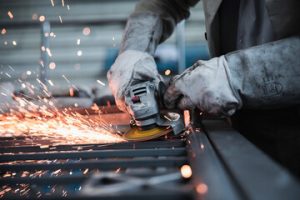
In today’s world, the demand for adaptable and efficient production methods has pushed metal fabrication to new heights. Traditional techniques have been refined with modern technologies, allowing fabricators to achieve unprecedented levels of precision and consistency. Automated cutting systems, digital design tools, and advanced welding methods have transformed fabrication into a highly specialized field where innovation thrives. These advancements not only improve production efficiency but also enable designers and engineers to experiment with complex shapes and structures that were once difficult to create. As a result, metal fabrication is no longer viewed as a purely industrial process; it has become a creative platform where ideas can take physical form.
One of the most significant reasons for the rise of metal fabrication is its versatility across industries. Fabricated metal components are found in construction, transportation, manufacturing, and even interior design. The adaptability of metal allows it to support both heavy-duty applications and refined aesthetic elements. Whether it is used to create large structural systems or intricate decorative features, metal fabrication offers a level of flexibility that few materials can match. This broad range of applications ensures that the industry remains relevant as new technologies and design trends emerge.
The integration of digital innovation has played a crucial role in reshaping the fabrication landscape. Computer-aided design software allows professionals to visualize projects before production begins, reducing errors and improving efficiency. By simulating stress points and material performance, fabricators can refine their designs and ensure optimal results. This level of precision not only enhances quality but also reduces material waste, making fabrication processes more sustainable. The shift toward data-driven production highlights how metal fabrication is evolving alongside technological progress, positioning itself as a cornerstone of modern manufacturing.
Sustainability has become a central theme in the growth of the metal fabrication industry. As industries seek to reduce environmental impact, metal stands out as a material that can be recycled and repurposed without losing its strength or integrity. Fabricators are increasingly adopting energy-efficient processes and exploring ways to minimize waste throughout the production cycle. By optimizing cutting patterns and reusing leftover materials, they contribute to a more sustainable approach to manufacturing. This focus on environmental responsibility reflects a broader shift toward long-term solutions that balance performance with ecological awareness.
Another factor contributing to the rising importance of metal fabrication is the growing demand for customization. Businesses and individuals alike are moving away from generic, one-size-fits-all solutions in favor of tailored designs that meet specific needs. Custom fabrication allows for greater flexibility, enabling projects to be adapted to unique functional or aesthetic requirements. This trend has encouraged fabricators to expand their capabilities, offering specialized services that cater to a wide range of applications. From bespoke architectural elements to precision-engineered components, customization highlights the creative potential of modern fabrication techniques.
The benefits of metal fabrication in a changing world can be seen through several key advantages:
- Durability and longevity: Fabricated metal products are designed to withstand demanding conditions, making them ideal for long-term use.
- Precision engineering: Advanced tools and technologies ensure accurate measurements and consistent quality across projects.
- Design flexibility: Metal can be shaped into both functional and artistic forms, allowing for innovative solutions.
- Sustainability potential: Recycling and efficient production methods help reduce environmental impact while maintaining performance.
These strengths have positioned metal fabrication as a vital contributor to modern progress. As industries continue to innovate, the need for reliable and adaptable materials will only increase, further reinforcing the importance of fabrication processes.
In addition to its industrial applications, metal fabrication is influencing the way spaces are designed and experienced. Contemporary design trends often emphasize clean lines, open structures, and durable materials, making metal a popular choice for both interior and exterior elements. Fabricated metal railings, panels, and fixtures provide a balance between strength and elegance, offering long-lasting solutions that require minimal maintenance. Designers appreciate the ability to combine practicality with visual appeal, using metal to create environments that feel both modern and timeless.
The evolution of fabrication techniques has also opened the door to new forms of collaboration between designers, engineers, and fabricators. Instead of working in isolated stages, many projects now involve a more integrated approach where ideas are refined through continuous feedback. This collaborative process leads to more innovative outcomes, as each professional brings a unique perspective to the table. By merging technical expertise with creative vision, metal fabrication becomes a dynamic process that adapts to the changing demands of modern life.
As the industry grows, the role of skilled craftsmanship remains just as important as technological advancement. While automation has improved efficiency, the expertise of experienced fabricators ensures that projects maintain a high level of quality and attention to detail. Craftsmanship plays a critical role in welding, finishing, and assembling metal components, blending traditional techniques with modern innovation. This combination of human skill and advanced technology creates a balance that defines the future of fabrication.
Metal fabrication is also contributing to the development of smarter infrastructure. As communities evolve, there is a growing need for durable systems that can support increasing demands while remaining adaptable to future changes. Fabricated metal structures offer the strength and flexibility required for long-term performance, making them a reliable choice for evolving environments. By incorporating advanced materials and innovative designs, fabricators help create infrastructure that is not only functional but also resilient in the face of change.
The rise of metal fabrication is closely linked to the ongoing transformation of global industries. Rapid technological advancements and shifting consumer expectations are pushing manufacturers to adopt more efficient and innovative production methods. Fabrication shops are embracing automation, robotics, and digital monitoring systems to streamline operations and maintain consistent quality. These developments demonstrate how the industry is evolving to meet modern challenges while continuing to deliver reliable solutions.
To understand how metal fabrication is shaping the future, it is helpful to explore some of the trends driving its growth:
- Automation and smart manufacturing: Advanced machinery improves accuracy and reduces production time, enabling fabricators to handle complex projects.
- Lightweight yet strong materials: New alloys and fabrication techniques allow for durable structures with reduced weight.
- Sustainable practices: Efficient resource management and recycling initiatives align fabrication with environmental goals.
- Creative design integration: Collaboration between designers and fabricators leads to innovative solutions that combine aesthetics with functionality.
These trends highlight the industry’s ability to adapt and evolve in response to changing needs. Rather than remaining static, metal fabrication continues to push boundaries, offering solutions that support both technological progress and creative expression.
Looking toward the future, the role of metal fabrication will likely expand as new challenges arise. The need for resilient infrastructure, efficient manufacturing, and sustainable materials will drive ongoing innovation within the industry. Fabricators will continue to explore new techniques, refine production processes, and experiment with advanced materials that enhance performance while reducing environmental impact. This forward-thinking approach ensures that metal fabrication remains a key player in shaping the world of tomorrow.
Ultimately, the rising importance of metal fabrication reflects a broader story of transformation and adaptability. As industries evolve and technology advances, the ability to create durable, customized solutions becomes increasingly valuable. Metal fabrication stands at the intersection of engineering and artistry, turning raw materials into structures and components that support modern life. Its influence extends far beyond factories and workshops, touching everything from architecture to everyday products.
The future of metal fabrication is not just about producing stronger or more efficient materials; it is about reimagining what is possible. By embracing innovation while preserving the craftsmanship that defines the trade, the industry continues to forge new paths forward. In a changing world where adaptability is essential, metal fabrication rises as a symbol of progress, proving that the fusion of creativity, technology, and durability can shape a future built to last.