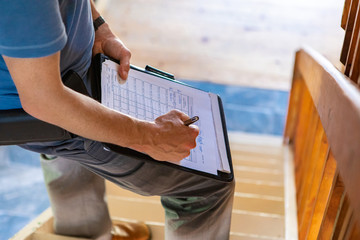
Whether you’re buying your first home or selling your current one, a thorough home inspection can help ensure that your investment is sound. Often, inspectors find safety hazards and maintenance items that can be easily addressed.
Your inspector will probably recommend specialists for things like septic systems, radon and asbestos testing. Ask for referrals from friends and check online reviews to narrow your search.
What is a home inspection?
A home inspection is an examination of the condition of a house, conducted by a qualified and licensed home inspector. It is often used in real estate transactions as a way for buyers to be fully aware of the condition of the property they are purchasing, and for sellers to find out what maintenance may be necessary prior to selling. Home inspectors are also often consulted after a disaster to evaluate damage and to determine whether a house is safe for re-occupancy.
During a home inspection, the inspector will examine the following areas of the structure:
The roof. The inspector will look for leaks, missing shingles, and general wear and tear. The foundation. The inspector will check for cracks, settling, and other signs of weakness or instability. The electrical systems. The inspector will look for faulty outlets, overloaded circuits, and other safety concerns. The heating and air conditioning systems. The inspector will evaluate the efficiency of the system and look for any indications that it may be nearing the end of its lifespan. The plumbing systems. The inspector will look for leaks, clogged drains, and other issues. The interior walls and floors. The inspector will look for signs of water damage, insect activity, and other issues.
In the country, the majority of home inspectors are licensed by a state or provincial government agency. Some states or provinces also require inspectors to belong to a professional association to gain certification. However, many jurisdictions do not regulate the practice of home inspection, so it is important to find an inspector who is certified and whose credentials can be verified. In addition to being licensed and insured, a good home inspector should have extensive training in the field of residential construction. They should also have good communication skills and be able to clearly explain the findings of their report. Many inspectors also offer ancillary services such as swimming pool safety inspections, radon gas testing, and wood-destroying insect inspections.
Why do I need a home inspection?
Home inspections provide valuable information about a property that buyers need to make an informed decision about whether or not to purchase. They also identify safety concerns that need to be addressed. Choosing to skip an inspection can result in unexpected and costly surprises down the road. An inspector can suggest specific actions to address issues found during the inspection that could save money in maintenance and repair costs down the road.
A home inspector evaluates a house’s physical structure and systems, from the roof to the foundation. A general inspection typically takes two to three hours, depending on the size and condition of the home. The inspector should provide a written report that includes photos and recommendations.
When a potential home buyer neglects to have an inspection, they risk losing thousands of dollars due to unanticipated repairs after the closing. Likewise, when sellers skip an inspection, they risk missing out on a possible sale or having the deal fall through because of serious issues discovered by the buyer’s inspector.
A home inspection gives a seller a chance to resolve problems or negotiate a price reduction with the buyer. It can also help them plan for major expenses, such as a new roof or heating and cooling systems.
Besides identifying potential problems, a home inspection can also reveal what the seller has done to maintain the property. This can be a positive factor during negotiations.
A homeowner can also request a pre-inspection before listing their home. This can help them set a price and correct any issues, so they can sell their home faster. A pre-inspection also lets buyers know that the home is in good shape and can give them peace of mind when making a purchase, she adds.
A home inspection may also be part of a disaster examination or an evaluation performed as part of a federally funded housing program. In these cases, the inspector concentrates on damage and identifies whether or not the home is fit for habitation. For example, a damaged roof, electrical wiring, plumbing and structural integrity would all warrant a failure in such an inspection.
What are the benefits of a home inspection?
A home inspection is a necessary part of the buying or selling process, and attending the inspection can give you critical insights into the property. A home inspector examines a house’s structure and systems, including the roof, foundation and electrical system. The inspector’s report will indicate if there are any significant problems or safety hazards. It will also recommend repairs or maintenance that should be made.
Buyers can use the home inspector’s report as a bargaining tool to request that the seller make necessary repairs prior to closing or reduce the purchase price of the property. In addition, the home inspector’s report can help the buyer determine how much money to budget for future maintenance and repair costs.
Often, new homeowners are surprised by the cost of maintaining a home. Inspectors can point out areas that require routine maintenance to keep them in good condition and save buyers money in the long run. This information can also help new homeowners understand how quickly they may need to invest in replacements for appliances such as the HVAC system or plumbing and electrical systems.
A home inspector can also identify structural issues that might be a problem for new owners, such as wood rot or damage from termites. If these issues aren’t addressed, they could become more severe in the future and lead to costly repairs.
When buying a home, it is common for new homeowners to fall in love with the style and location of a home and overlook unseen issues. This can be a major mistake that leads to expensive repairs and unforeseen hassles. A home inspection can help prevent this from happening by identifying serious problems and warning the homeowner of potential issues before they move into the property.
A home inspector’s job can be dangerous at times, especially if the inspector needs to enter the attic or crawl space of the property. This is why it is important to choose an inspector with experience and a thorough understanding of the industry’s standards.
What should I expect from a home inspection?
A home inspector’s job is to assess the condition of a house and its major systems, such as plumbing and electrical. It is a noninvasive, visual review and does not include things like punching holes in walls or dismantling appliances. However, a good home inspector should be familiar with the local building codes and be able to identify safety issues. A home inspection also includes a walk-through of the attic and crawl space, where an inspector will examine insulation levels, ventilation, and signs of pest infestation.
The result of a home inspection is usually a report that summarizes the findings. The report should be clear and concise and include photos of relevant areas. The report should also list any concerns and explain their significance. It is helpful for buyers to go over the report with their real estate agent before making any decisions. Your real estate agent can help you prioritize the issues and decide if any repairs should be made before closing.
If serious problems are uncovered, it can give you the leverage you need to back out of the purchase, request that the seller make repairs, or negotiate a lower price for the home. For this reason, it is a good idea to include an inspection contingency in your contract.
Buyers should prepare for the inspection by cleaning out gutters and removing any debris. It is also a good idea to replace any blown light bulbs and test smoke and carbon monoxide detectors before the inspection. It’s important to remember that inspectors are not there to alarm you; they are there to ensure you are fully informed of the condition of the home.
It is normal for homeowners to have some issues, but if they are significant, it’s best to address them before you start looking for a new home. A home inspection gives you the opportunity to discover and deal with issues before they become costly problems, and it can save you a lot of time and money in the long run. For more information about what to expect from a home inspection, contact a professional home inspector.