Water damage is a common problem that can lead to serious consequences if not addressed promptly. Fortunately, there are several steps you can take to mitigate the effects of water damage and restore your home or business.
First, Water Damage Remediation Salt Lake City professionals must inspect the site and assess the damage. Then they will begin the cleanup and drying process.
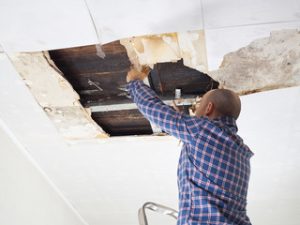
Water Damage Causes
The most common causes of water damage include flooding, burst pipes, and sewer backups. Heavy rains, a dam or levee breach, or melting snow or ice can cause floods that destroy buildings and other structures and ruin crops and livestock. These weather-related natural disasters usually require extensive repairs and can lead to the death of people and animals.
Pipes, especially those in walls and at the foundation of your home, are vulnerable to corrosion. A corroded or rusted pipe will not only leak but may also rupture. This can lead to significant damage to your home and increase your water bill dramatically.
You can prevent some water damage by regularly inspecting your plumbing and appliances for signs of leaks. Check hoses and seals on washing machines, dishwashers, and refrigerators with ice makers. Replace old hoses and seals, and install new ones as needed. Leak detectors placed in high-risk spots, such as under sinks and behind toilets, can help you identify potential problems.
When water enters your home, it can warp or crack wood, including floor joists, wall studs, and support beams. It can also rot metal items such as door frames, window sills, and metal furniture. This deterioration can affect the stability of your home and lead to serious structural damage, which will be costly to repair.
Water can damage carpeting, wallpaper, drywall, and many other building materials. It can also discolor fabrics, shrink and warp hardwood floors, and create a smorgasbord for mold and mildew. Taking prompt action can reduce these and other damages, but you will likely need to replace or refinish flooring, and possibly other building materials as well.
Lingering water damage can negatively impact your health and quality of life. It can contribute to respiratory and other health issues, such as rashes, headaches, and nausea. It can also cause structural problems, such as bubbled or cracked paint, peeling wallpaper, and sagging or buckling ceilings.
It is also important to note that many types of water damage are not covered by your homeowners’ insurance. Sudden, accidental events are often covered, but ongoing or gradual damage from external sources is not.
Extent of Damage
The extent of water damage can be difficult to determine. It can be invisible, such as water spots on walls and ceilings that can eventually rot, or it can be visible, like discolored paint and warped floors. It can also be slow, like a leaking pipe, or fast, such as flooding from burst pipes or natural disasters. Whatever the cause, knowing what to look for can help you avoid irreparable harm and save money on repairs and insurance claims.
The first step in the restoration process is identifying and stopping the source of the water. This may involve turning off the main water supply, or it may involve removing standing water and debris from a damaged area.
Once the source of the water has been stopped, professionals can start working to restore the affected areas and contents. This typically involves drying and sanitizing to prevent mold and mildew, as well as structural damage and health hazards.
Drying the area includes using fans and dehumidifiers to increase airflow and lower humidity levels in order to limit moisture content. It also means removing any materials that cannot be salvaged, including carpeting and drywall. Sanitation involves using industrial-grade cleaning products to eliminate odors and harmful bacteria, as well as to ensure that surfaces are thoroughly dried.
Water damage can occur from many different sources, including flood waters, groundwater seepage, faulty appliances, clogged toilets, and more. However, the most common cause of water damage is leaks from pipes, roofs, and windows. These can often be prevented by regularly checking for and repairing any leaks.
When water damage occurs, it is crucial to take immediate action. The longer water stays in a building, the more damage it will do and the more expensive it will be to repair. If you notice signs of water damage, such as discoloration, odors, or mold, act quickly to prevent irreversible damage. You can reduce the risk of water damage by sealing any leaks from pipes, roofs, and window frames, and by regularly checking for and repairing any cracks or holes in the walls.
Cost of Repairs
Water is essential to life, but it can also be a destructive force. If left untreated, a few inches of water can cause thousands of dollars’ worth of damage to your home or business. This is why it is so important to understand how much your repair costs might be, so you can plan accordingly and prevent any financial surprises.
The severity and extent of your water damage will impact the cost of repairs. A small leak or flooding incident may only require minor restoration work, while a major flood will have a significant impact on the cost and scope of the repairs. It is important to work with a professional restoration company that can quickly and effectively identify the source of the problem, repair structural damage, and ensure proper drying and dehumidification of affected spaces.
Cosmetic damage is the most visible sign of water damage, resulting in discolored walls, bubbling wallpaper, and warped flooring. Professional teams inspect surface materials, implement drying and refinishing methods, and document losses for insurance claims. Mold growth is a secondary issue caused by moisture infiltration, and it requires extensive mold remediation.
In addition to cleaning up and repairing surfaces, water damage repair can involve replacing drywall and flooring. The costs of repairing and replacing these materials can increase the overall cost of the project.
The location of your damage will also impact the cost of repairs. If your home or business has a basement, crawl space, or other hard-to-reach areas, it can take longer for these areas to dry and rehabilitate properly. This can cause additional problems, such as rot or mold growth, and increase the final repair cost.
In some cases, it may be necessary to remove and replace personal belongings. While this can be a challenge and expensive, it is critical to do so in order to minimize further damage and prevent health and safety risks. It is also important to consider your budget when estimating the costs of repairs, and explore financing options to keep the costs of restoration within your comfort level.
Preventing Future Damage
Water damage is a major problem for homeowners because it can lead to structural problems, mold exposure, and costly repairs. Swift action at the first signs of paint bubbling on walls is essential to preventing water damage and the associated costs.
Water damage that isn’t dealt with immediately can cause wood floors to warp, drywall and insulation to crumble, and even lead to mold and mildew growth. The good news is that there are steps you can take to prevent water damage before it happens, including regular inspections of plumbing and appliances, placing moisture detectors in high-risk areas, and keeping gutters clear so they aren’t clogged.
If you’re experiencing water damage, contact a professional restoration company right away for an on-site estimate. Homeowners insurance often covers water damage remediation and reconstruction, but the exact amount you’ll pay will depend on the cause and extent of the damage and your policy type. Water damage can also be a great opportunity to make structural improvements, like repairing wall-to-wall and roof-to-wall connections, according to an expert. You may also be able to install new flooring if you need to gut the damaged drywall, such as hardwood, carpet, or tile.